Smart Targets, Stronger Business: Using Data Simulation to Drive Gender Equality Actions
#measuringprogress
#recruitment
#talentmanagement



In Switzerland’s competitive energy market, where women remain underrepresented, Axpo set ambitious gender targets. But as we began tracking progress, it became clear that traditional, top-down approaches often miss the mark. Numbers alone don’t reveal the real challenges on the ground; the dynamics that shape each business area. To truly advance best practice, we needed a smarter, data-driven approach that linked our ambitions to the realities of our diverse operations.
In cooperation with Thriving Talent we worked on a data-based simulation model to assess what it would take to meet our gender ambition. The model incorporated current demographics, hiring, promotion, turnover, and retirement data, including the growth rate of each business division. Based on this, we calculated what shifts would be needed and translated the findings into concrete targets and realistic hiring rates needed for each business division.
The simulation results revealed that achieving our gender target requires targeted action beyond overall ambition. It enabled us to define tangible measures tailored to each business division, based on their specific starting points and dynamics. This helped to create ownership, focus, and transparency. We learned that data-driven clarity is essential to move from intent to impact—and to embed DE&I into business reality.
This Best Practice was first published in the Gender Intelligence Report 2025.
At Axpo, we believe that setting ambitious DE&I goals is just the start. In Switzerland’s competitive market, where women remain underrepresented in leadership, we committed to increase our female share to 30% at total workforce and 25% at senior leadership level. Monitoring progress was part of our journey — but we realized that numbers alone don’t tell the full story. Often, top-down targets overlook the real dynamics at the working level. We wanted to do better: by building bottom-up, business-specific pictures of what was feasible, grounded in actual hiring, promotion, turnover, retirement, and growth data. This enabled us to reality-check and refine our targets, ensuring they matched the unique challenges of each business area. Linking targets to historical behavior proved essential: only when numbers are relevant to their context can ownership and real change happen.
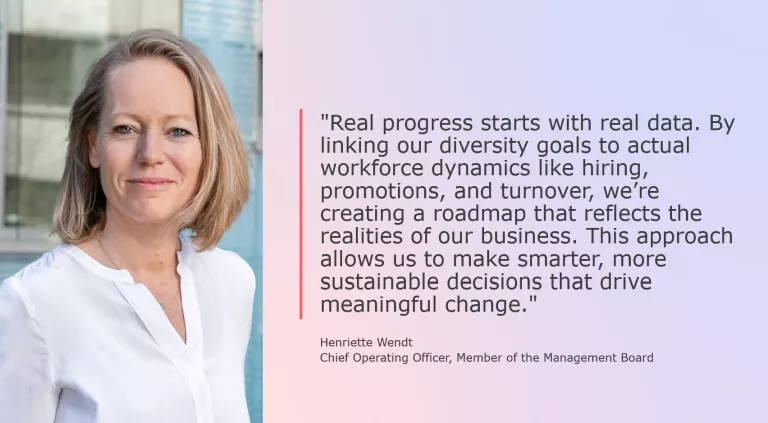
Our ambition was clear: we wanted to turn our DE&I vision into tangible, achievable outcomes across the Axpo Group. As an energy company operating along the entire value chain, we employ a wide range of profiles — from blue-collar roles and technical fieldwork to engineering and corporate leadership. This diversity brings both opportunity and complexity: each area faces different market conditions, talent pools, and cultural norms. To make real progress, we need to understand where opportunities exist, where challenges remain, and how every unit can contribute meaningfully to our targets. The goal is to break down ambition into business-specific actions, linking DE&I directly to workforce planning — from hiring to succession strategies. By grounding our efforts in data and context, we aim to build ownership, enable clarity, and empower leaders to act with confidence.
To make our ambition actionable, we worked together with Thriving Talent who developed a simulation model based on our real and historic workforce data: demographics, hiring, turnover, promotions, retirements, and expected growth. But this was not about forecasting for its own sake. The model was designed as a predictive planning tool — a way to guide concrete decisions and actions, not just observe trends. By simulating different future scenarios, we could see which specific measures would be needed in each business area to realistically meet our goals. Tailored insights were shared with leaders, helping them understand the specific levers they could pull. This grounded approach aimed to make the ambition tangible, while shifting the conversation to facts by giving business areas clear direction to move forward.

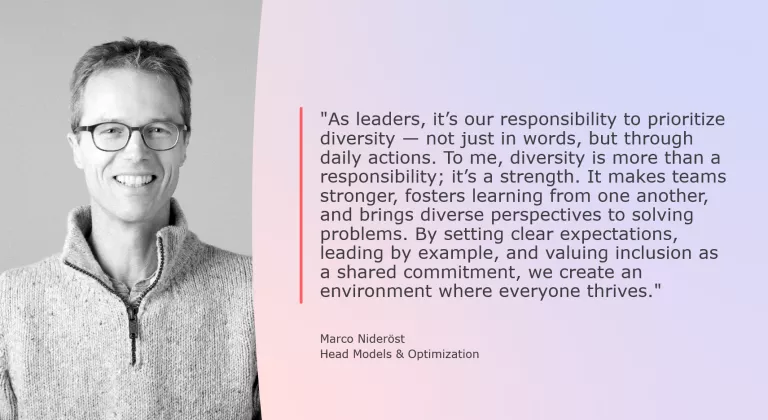
The simulation provided a critical breakthrough: it uncovered systemic constraints and showed that there is no one-size-fits-all solution. Each business area had a different starting point, shaped by its turnover rates, growth projections, and upcoming retirements. Particularly in senior roles, where turnover is naturally low, we saw the need for long-term, targeted planning. By sharing tailored insights and realistic hiring targets, we enabled a new level of dialogue and planning across the organization. While work is still ongoing, this approach shifted the focus from generic ambition to fact-based action planning. Our key learning: lasting progress starts with a realistic understanding of the conditions each business area faces — only then can ownership and effective measures take root.
At Axpo, DE&I is embedded in our strategy, culture, and daily actions. We offer over 150 job profiles across the full energy value chain and welcome employees from around 60 countries. Our DE&I mission is backed by data, clear goals, and executive sponsorship. We’ve launched inclusive hiring practices, training on unconscious bias, policy updates, and employee communities such as ERGs. These efforts aim to foster an inclusive workplace where all talents can thrive and contribute fully. Thriving Talent can support by offering strategic DE&I consulting. Their expertise helps organizations embed inclusion into workforce planning, talent development, and leadership practices, making DE&I a natural part of business success — not a separate initiative. Together, we believe that long-term change requires both vision and daily action at every level.
For more information about this Best Practice, reach out to the author:
Dr. Nicole Kalindaga
Culture Transformation Manager & Global DE&I Lead
nicole.kalindaga@axpo.com

Tom Waterhouse
Associate Consultant Thriving Talent
tom@thrivingtalent.solutions


When the AI wave hit, we weren't starting from zero and the foundations were already in place. Three patterns quickly emerged: a confident group raced ahead, a large middle hesitated, and many carried on as before. Research confirms women are 22% less likely than men to be regular AI users and 32% more likely to fear being seen as cheating. Left alone, this divide becomes a capability gap and eventually an opportunity gap. EY's answer: stop teaching people how to prompt and start solving their real business problems with them. Use-case centric training, peer sharing, reverse mentoring pairing AI-fluent juniors with senior leaders, and a named Chief AI Officer to own it every day. 90% of EY people are now trained on AI basics. From potential to scale in 12 months, experimentation is now execution. AI is a powerful equalizer and a powerful amplifier of inequality. Which one it becomes is a leadership choice.
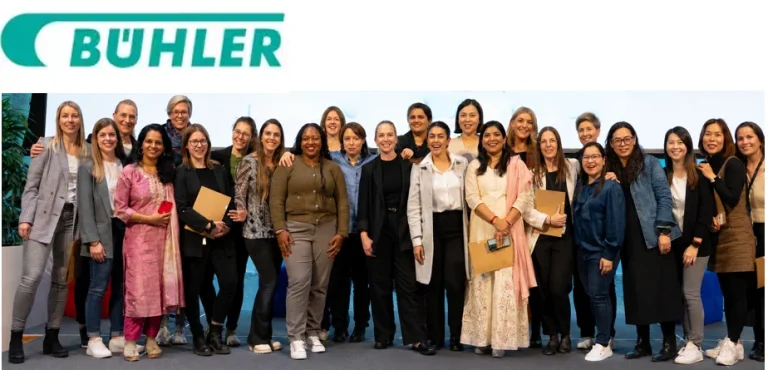
What enables women to grow authentically in STEM? At Bühler, the answer started with listening. Based on insights from our female talent and senior leaders, we created THRIVE - a 12-month development journey designed to evolve, empower and encourage female talent early in their careers. The programme helps women build on their unique strengths, increase their visibility, expand their networks, and take ownership of their careers. The results speak for themselves: eight of the first 25 participants were promoted or moved into broader roles, while two took on international assignments.
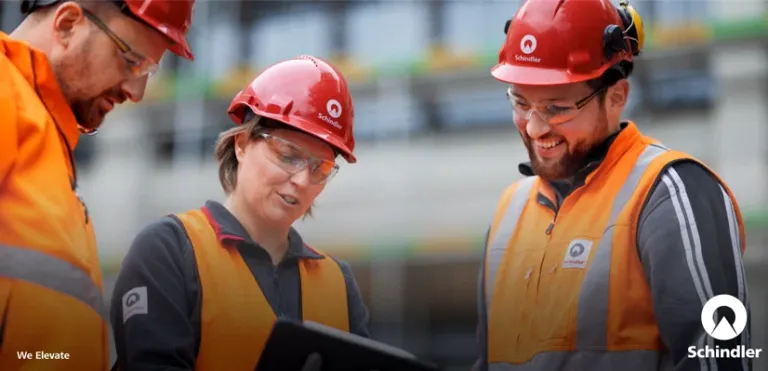
In 2022, less than 18% of Schindler's senior leaders were women. By end-2025, that figure had risen to 26%. The difference was the Gender Inclusion Boost, a nomination-based program that paired 130 high-potential women with 90 senior leader sponsors over three years, combining structured sponsorship, personal coaching and peer support. 17% of participants were promoted to senior leader positions. The program shows what becomes possible when leaders don't just set targets but personally advocate for the women who will help reach them.
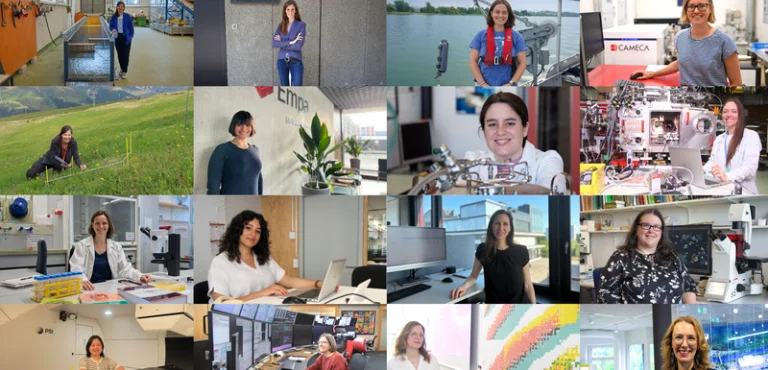
Most leadership development programs target women who already know they want to lead. feM-LEAD starts earlier, with women who are not sure. Launched at PSI and now running across all four ETH Domain research institutes, the program combines 1:1 mentoring, psychometric assessment, peer coaching and leadership courses to reach women in scientific, technical and administrative roles who might never have raised their hands. 40% of participants have since taken on a role with greater responsibility. The key lesson: leadership has many styles, and showing women that theirs fits is often all it takes.

MSD Switzerland implemented a Global Job Policy in 2024 requiring all roles to be posted and introduced a structured selection processes with panel interviews to address inconsistent recruitment practices and employee concerns about unequal opportunities. The company developed competency frameworks, behavioral interview techniques, and neurodiversity-accessible assessments to counter unconscious bias and ensure fair candidate evaluation. These inclusive recruitment practices have increased diversity in hiring decisions, improved employee engagement scores, and strengthened organizational culture with better business outcomes.

IKEA Switzerland achieved and maintained a 50/50 gender balance among store managers since 2014, as part of its commitment to equality and diversity. This has contributed to improved business results, with women in leadership becoming the norm and influencing various aspects of the company's workforce composition.

In times when Swiss companies are desperate for skilled employees due to the talent shortage, explore the positive impact that returnship programs are having from eight participating companies.

How can you push gender equality in the right direction at a faster pace? At Bain, a sponsorship program is key for ensuring the top management pipeline and retaining female leaders.

Implementing a holistic 4 pillar pay equity framework led to decreasing the pay gap to under 1% - and keeping it there.

A gender diversity checklist makes sure that women have equal chances in the recruiting process.