feM-LEAD: Unlocking Leadership Talent Through Early Mentoring
#mentoring
#talentmanagement


The four research institutes of the ETH Domain are committed to fostering diverse and inclusive leadership. While the representation of women in leadership positions has grown over time, there remains a leaky pipeline. Many women employees have questions about whether traditional leadership suits their personal goals and personalities – not least because the environment is still largely male-dominated. feM-LEAD opened doors to initial encounters and exchanges on the topic of leadership. The goal is to make leadership roles more accessible to women.
Recognizing the expertise, talent and leadership potential of women employees, feM-LEAD was launched to provide insights into leadership, foster professional growth, and contribute to a stronger representation of women in leadership positions – initially at Paul Scherrer Institut PSI and now at all four research institutes of the ETH Domain, including Empa. The program is special compared to other mentoring programs since it is aimed at women who do not yet hold a leadership position, and it is open to women of all functions, not only scientific (technicians and administrative staff too).
The different parts of the program complement each other perfectly. Next to the classic 1:1 mentoring, a personal assessment and events lay the foundations for the mentoring relationship and promote the networking and visibility of the mentees. They can further improve their skills with courses on leadership, pitching and personal development, which can be selected according to personal interests, as well as peer coaching. Lesson learned: visibility is key! A high number of participants ended up in a leadership position.
This Best Practice is part of the Gender Intelligence Report 2026.
The four research institutes of the ETH Domain are committed to fostering diverse and inclusive leadership. While the representation of women in leadership positions has grown over time, there remains further potential to strengthen diversity and broaden perspectives on leadership.
We have female talents who are certain that they want to follow a career and end up in a leadership position, but also many who were not sure if leadership is something for them and if they would fit into this “traditional picture” of leadership. The challenge was to reach them and to show them that leadership has many different styles.
The focus is on the mentee’s career development – for example through insights into the mentor’s career path, opportunities to reflect on career goals and plan the next steps, or platforms for visibility and networking. The goal is to promote the mentee’s professional career in an enriching way and to encourage engagement with the topic of leadership. Further it is also highly enriching for the mentors, who gain valuable insights into careers and challenges their mentees encounter in our institutions and beyond.
In the field of diversity, equity and inclusion, increasing the proportion of women in the core areas is a high priority for the four ETH research institutes. Therefore, we systematically reduce structural barriers and disadvantages and offer various support programs specifically for women, such as feM-LEAD.
The feM-LEAD mentoring program has its roots at PSI. One of its core objectives was to increase the number of women in leadership positions. As a measure to achieve this goal, two pilot rounds of the program were initially carried out under the name “Mentoring Program for Women with Leadership Ambitions” between 2018 and 2020. After completion of the second round in 2020, the program was evaluated by an external research office. The evaluation report recommended the continuation of the mentoring program, describing it as unique due to the following points:
In the following years, the program was gradually expanded to Empa and WSL (2023) and Eawag (2024). The interinstitutional exchange between mentees and mentors from the four research institutes of the ETH Domain further enriches the program.
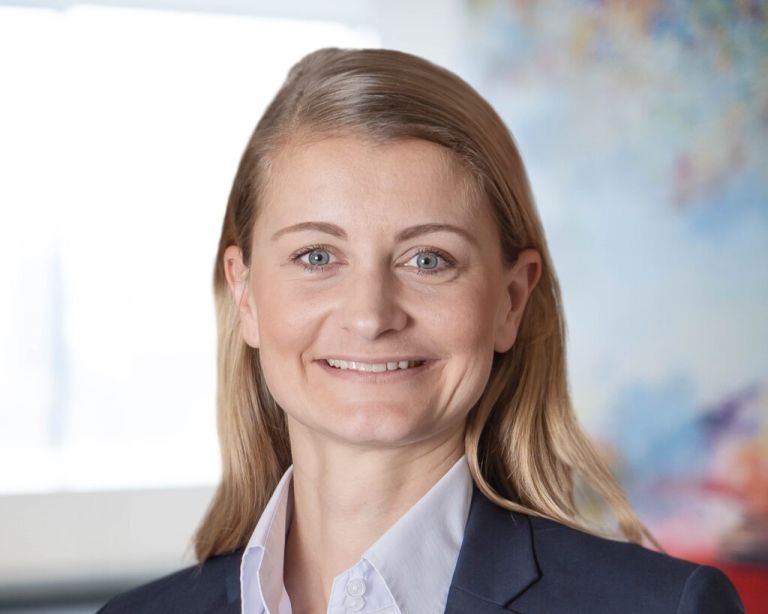
“My curiosity for recognizing patterns in complexity led me to the natural sciences – all the way to a PhD. I then applied and further developed this analytical mindset in the healthcare sector, working on interdisciplinary projects and quality improvement initiatives. Today, I use this skill set to decode complex interrelations, identify strategic needs, and shape targeted, high-impact solutions in our organization.”
Sandra Bürgi, Executive Project Manager, Empa
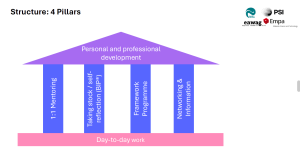
The program consists of different pillars:
Over the course of a year, mentees are supported by mentors in personal 1:1 mentoring. In a trusting, supportive setting, they can work together with an experienced person on their professional development and benefit from the knowledge and experience of their mentors. An assessment (BIP® test) and accompanying events lay the foundations for the mentoring relationship and promote the networking and visibility of the mentees. The program is rounded off by courses and training on leadership and personal development, which can be selected according to personal interests, and peer coaching.
We have seen over time that:
Beyond feM-LEAD, Empa also offers:
For more information about this Best Practice, reach out to the co-authors:
Melina Spycher
Head DEI
melina.spycher@empa.ch

Unlock financial savviness with Zurich Insurance as they empower women to enhance their financial knowledge and skills. Explore the WIN Financial Awareness Program, fostering a supportive community and providing personalized services to boost financial confidence.

Unveil MSD Switzerland's Women's Network Leadership Academy, revolutionizing the path to gender parity. Join the empowering journey as women develop tools and leadership capabilities to shape their future as trailblazing leaders.

Embark on Accenture's transformative journey with their returnship program, EMBARK. Witness the normalization of career breaks, bridging the gender gap, and unlocking individuals' full potential, reshaping the future of work.

Involving employees pays off - learn what happens when the entire workforce sets the agenda for gender parity.

From speaker to role model - how to narrow the tech gap and attract more women to the industry.

UBS harnesses the power of their people and cultivates collaboration between the women’s employee network, the business and DE&I.

What happens if you put mentees in the driver's seat? Discover KPMG's tailored mentoring program's recipe for success.
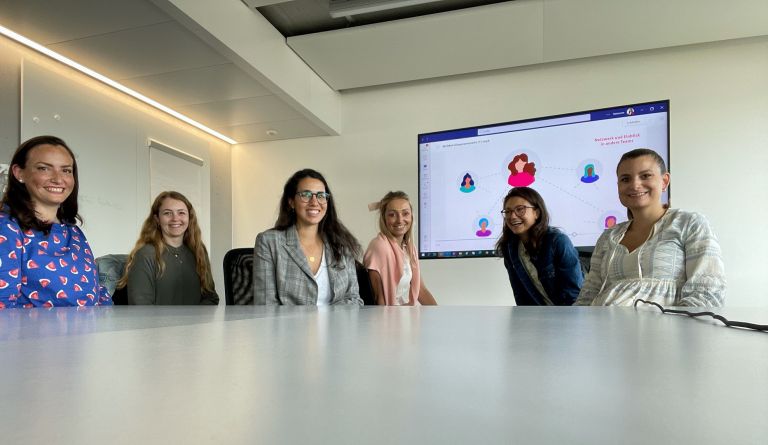
How to engage the divisions in owning their diversity targets? Let them set their own!

Bain's 'We Care' programme is changing the culture of care-giving as more men take up flex leave options and extended paternity leave.
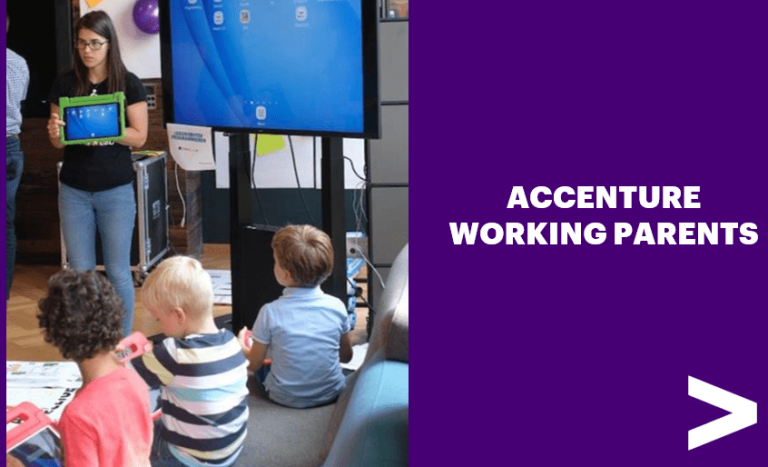
Accenture's thriving Working Parents' Network attracts 30% men in its membership.
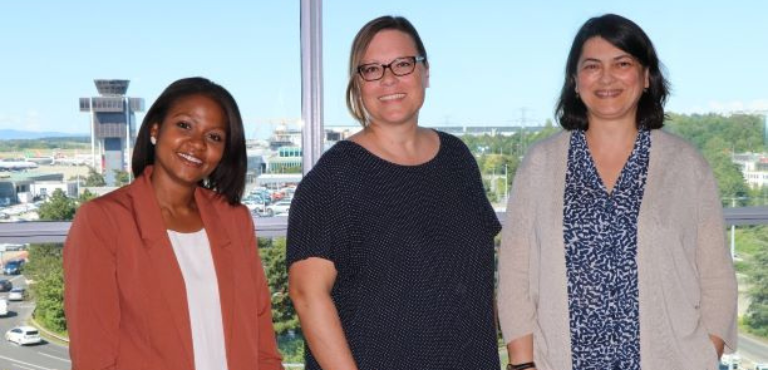
The skywomen are empowered via mentoring in order to get involved in business decisions and shape the company future.
The 'Women at Bain' program, a strong network that acts as a support system to help women thrive during their careers.