Turning Life's Transitions into Moments of Support and Empowerment
#breakthebias
#employeeresourcegroups
#inclusion



Experiences like gender transition, menopause and caregiving emergencies can profoundly affect employees’ working lives, yet often remain unspoken.
Without practical guidance, managers and HR felt uncertain how to respond, creating avoidable stress and inconsistency at the moments employees needed support most.
Merck developed two Switzerland-specific policies:
Both policies increased confidence for employees, managers and HR when navigating sensitive situations, building psychological safety and reducing the risk of inconsistent responses.
Key lessons:
This Best Practice is part of the Gender Intelligence Report 2026.
At Merck, we believe employees perform at their best when they can bring their full and true selves to work. Yet experiences such as gender transition, menopause and caregiving emergencies can profoundly shape employees’ working lives and often remain unspoken. Gender transition can raise uncertainty around privacy, pronouns, name changes, workplace communication and facilities access, while menopause and perimenopause is still too often treated as a taboo despite its impact on wellbeing and work.
In the absence of practical guidance, colleagues, managers and HR may feel uncertain about how to respond, leading to inconsistent handling, delayed support and unnecessary stress at the moments employees need it most.
Our main goal was to create a more inclusive and supportive workplace culture in Switzerland by translating Merck’s values into clear, actionable guidance.
We wanted employees facing highly personal situations to feel seen, recognized, safe and supported, while equipping managers, peers and HR with confidence and practical tools to respond consistently and respectfully in each situation. We also aimed to reduce inconsistency by providing frameworks that support handling sensitive situations with clarity, confidentiality and care.
More broadly, our ambition was to strengthen psychological safety, encourage open conversations around topics that often remain taboo, and support employees to thrive and perform at their best by bringing their whole selves to work.
Our approach combined collaboration, practical policy design and awareness building.
First, we joined forces with relevant stakeholders in Switzerland, including HR, managers, the DEIB community, ERGs, employees directly impacted and insights from other countries. This ensured that the response was both locally relevant and grounded in real employee needs.
We developed two Switzerland specific policies. The Gender Transition Guideline, powered by the Rainbow network, provides step-by-step guidance on confidentiality, pronouns, name changes, facility access and workplace communication. In parallel, the Menopause & Perimenopause Policy was developed with the Intergenerational ERG to build awareness, normalize open conversations and support workplace adjustments where appropriate.
Finally, we focused on the rollout and visibility through awareness workshops and dedicated events across the Swiss entities, which built knowledge, encouraged dialogue and supported adoption from the start.
Both policies have become a compass for improving understanding and confidence among employees, managers, and HR when navigating highly sensitive situations. They reduce uncertainty, help avoid inconsistent responses, and strengthen psychological safety in the workplace.
The initiatives signal Merck’s commitment to inclusion in both principle and practice, especially in moments that matter most to employees. Although formal impact metrics are still evolving, early adoption has been positive, creating a clearer, more supportive and more human-centered workplace.
A key lesson is that when policy is combined with capability building, firsthand experience, and co-creation, it drives lasting change, practical relevance, and stronger adoption, building internal trust and helping employees thrive and perform at their best.
Building on Merck’s fertility benefit, which covers medical fertility treatments (including IVF/ICSI), fertility preservation, and counselling, Merck launched the Moments that Matter Caregiver Leave Policy across all Swiss entities from June 2025.
Eligible employees may take up to 10 days of paid caregiver leave per year from day one to support dependents facing serious health issues, with emphasis on equity in career development as caregiving often affects women’s career continuity. The policy provides a clear pathway to balance personal responsibilities with business needs and reinforces Merck’s broader inclusion commitments.
For more information about this Best Practice, reach out to the author:
Sabina Reggioli
DEBI Country Lead
sabina.reggioli@merckgroup.com
Gemma Masachs Martin
Product Manager N&I and One Women’s Network Switzerland Lead
gemma.masachs-martin@merckgroup.com


Discover how EY is leading a paradigm shift in the workplace by embracing flexible working arrangements. Explore their innovative strategies for getting clients on board with this transformative approach, fostering collaboration and driving business success.

NatWest champions working families through their comprehensive initiatives, such as Partner Leave, Phase-Back Program, and a Remote First approach. Uncover how they lead in creating a gender-balanced and inclusive environment that supports employees' specific needs.

Experience KPMG's commitment to empowering employees through flexibility and work-life integration. Discover their diverse initiatives challenging traditional norms and supporting new parents, fostering a thriving workplace for all.

Step into ABB's world and witness their groundbreaking gender-neutral parental leave program. Discover how ABB fosters a gender-balanced and inclusive environment, breaking boundaries and paving the way for working families to thrive.

Discover how Migros revolutionizes the workplace with its commitment to work-life integration. Explore their emphasis on part-time positions, hybrid work models, and leadership support, creating an environment where employees can flourish.
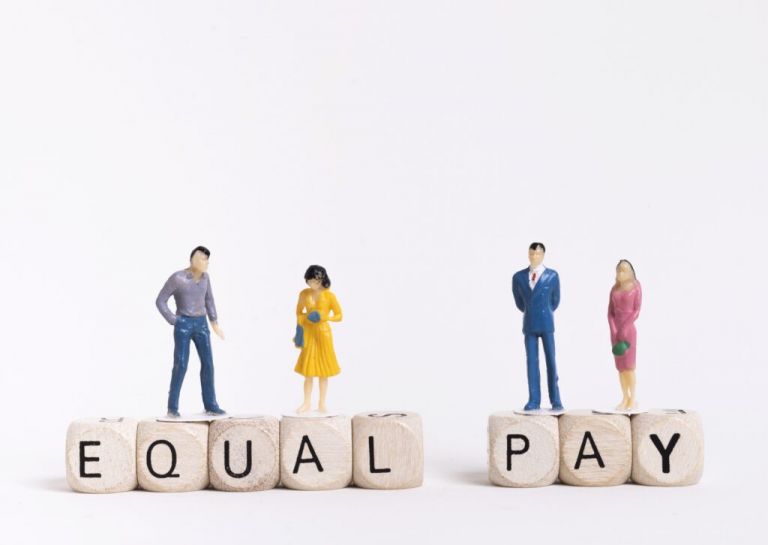
Implementing a holistic 4 pillar pay equity framework led to decreasing the pay gap to under 1% - and keeping it there.

Leaders insisting on pay equity and undertaking serious independent analyses builds trust and a culture of inclusion.

A customised internal salary modelling tool ensures fair salaries and strengthens employee confidence.

The full pay flexibility deal allows new parents to decide how they want to manage the transition back to work.

Looking beyond data helps Syngenta make pay equity a fundamental element of the company's culture rather than just a project to tick off.

Chances for promotions are equal for full-time and part-time employees thanks to a strong culture of flexible working.

#sharethecare shifts the narrative from ‘caregiving is strictly a woman’s responsibility’ to ‘caregiving is for both parents’. A bold ambition aiming to cultural change.